What the Xaniair SDC solution is
The Xaniair solution is based on silver dihydrogen citrate, known technically as SDC, an electrolytically generated stabilised ionic silver source. In aqueous form it is colourless, odourless, tasteless and non-caustic, and can be used as a base for a wide range of products across markets: professional hygiene, hospitality, healthcare, food service, offices and public transport.
In the reference formulation, water accounts for about 95.151% of the product. This aqueous base formulates well with other compounds, which helps when designing hygiene lines that must fit existing cleaning procedures. Project Vending offers Xaniair within its sanitization portfolio, alongside the Ayra and Xaniair air-sanitizer range.
This guide is for facility managers, hotels, clinics, food operators and companies assessing whether an ionic-silver solution fits their protocols. It does not replace the label, the latest datasheet or local use authorisations: every application must be checked against the product actually supplied and the destination-country rules.
What distinguishes SDC as an antimicrobial principle
SDC is described as a ready-to-use disinfectant and sanitizer for non-hard surfaces, and as a hard-surface disinfectant. In some markets it is presented as a patented, EPA-registered food-contact disinfectant, with broad-spectrum efficacy, fast contact times and declared residual protection for up to 24 hours. Where the regulatory dossier allows, it may be indicated as a no-rinse food-contact surface disinfectant.
The declared profile includes effectiveness against a broad spectrum of germs, including staphylococcus, salmonella, listeria, norovirus, human coronavirus, HIV and hepatitis A, B and C. These claims must always be read with the commercial lot's directions for use, approved contact times and any national limitations. In B2B projects it is good practice to request updated documentation before adding the solution to a specification or HACCP protocol.
- Colourless, odourless, tasteless, non-caustic aqueous base
- Stabilised ionic silver (SDC) generated electrolytically
- Declared use on hard and non-hard surfaces
- Declared residual profile up to 24 hours, to verify on the product sheet
- Possible integration into multi-sector professional hygiene procedures
Safety profile: what the cited assessments say
According to a scientific review by the EU Scientific Committee on Consumer Products, DSC/SDC was found non-toxic for oral exposure, non-toxic for dermal exposure, non-irritating and non-sensitising to skin, within the scope of that assessment. The World Health Organization has also assessed the safety of silver compounds for drinking-water disinfection and concluded that no toxic effects were reported from exposure of healthy people to these compounds, within that evaluation framework.
These points help frame the active principle, but they do not authorise off-label use. Dilutions, contact times, PPE, storage and compatibility with other chemicals remain defined by product documentation and the client's procedures. In healthcare or food environments, the local protocol always takes priority over any commercial brochure.
Where it is used in practice
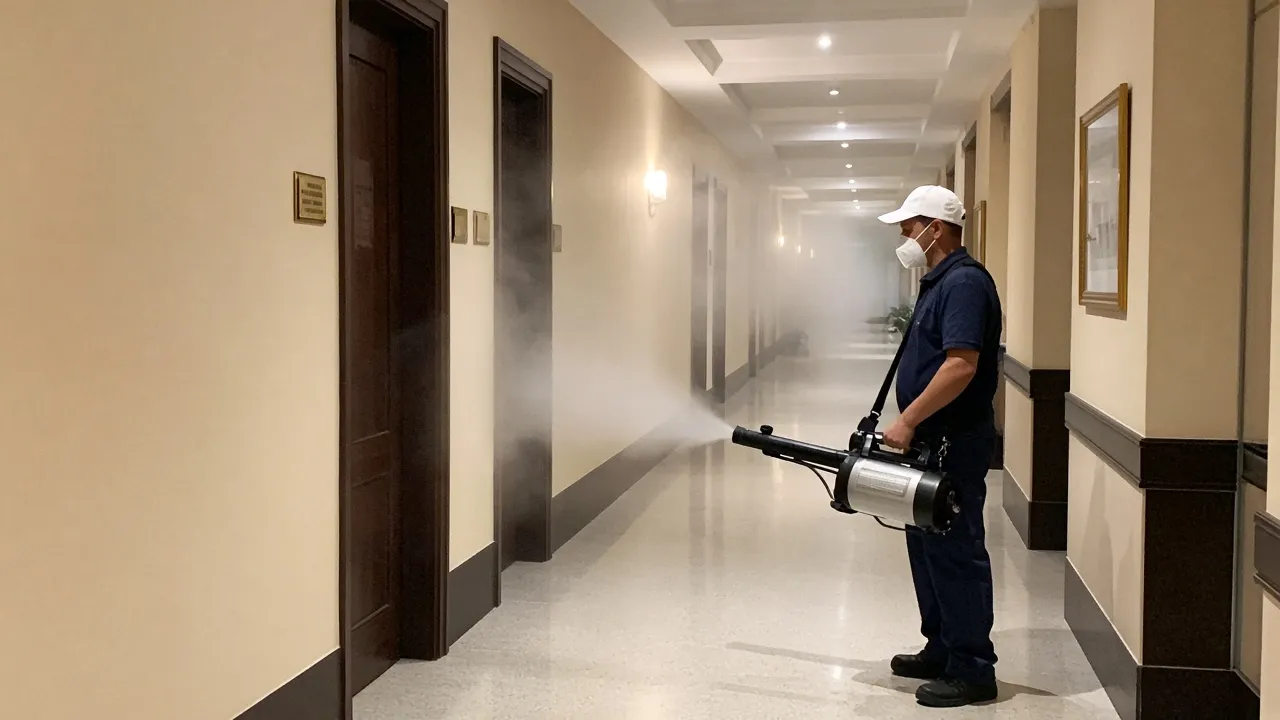
Typical application settings include homes, offices, hospitals, restaurants, schools, hotels, restrooms, leisure facilities and public transport. In short: any place with many touchpoints and high people turnover. For Project Vending it makes sense to propose Xaniair alongside vending and air-sanitization solutions, because hotels, clinics and offices already manage hygiene and self-service in the same building.
On materials, it can be used on paints, glazed tiles, plastic, metal, glass and glazed porcelain stoneware. For other surfaces, test a small area before use. That step reduces the risk of marks or incompatibility on delicate finishes, treated wood, textiles or unvalidated porous materials.
| Context | Typical goal | Watch-outs |
|---|---|---|
| Hotel / hospitality | Rooms, bathrooms, common touchpoints | Turnover, odours, housekeeping procedures |
| Offices and schools | Desks, handles, break areas | Use frequency and staff training |
| Hospitals / clinics | Non-critical areas per protocol | Alignment with clinical procedures |
| Restaurants / food | Food-contact surfaces if authorised | HACCP, contact times, label |
| Public transport | Handles, seats, high-touch surfaces | Intervention windows and residuality |
How to include it in a B2B project
A useful brief does not start from a marketing claim, but from the existing hygiene plan. You need to know which surfaces are treated today, how often, by whom, with which products and under which constraints (food contact, people present, area downtime). Only then assess whether an SDC solution can simplify steps, reduce aggressive odours or sit alongside air sanitizers already in place.
Project Vending can support the technical discussion on the Xaniair solution together with the sanitizer range and projects for hotels, offices and healthcare facilities. The commercial goal is a coherent piece of environmental hygiene, not an isolated product without a protocol. For quotes and on-site trials, use the contact form with project type «Sanitization».
- Map surfaces and treatment frequency
- Check label, datasheet and local constraints
- Spot-test surfaces that are not validated
- Train staff on contact times and storage
- Integrate with air sanitizers and existing procedures
FAQ
What is SDC in the Xaniair solution?
Silver dihydrogen citrate, a stabilised ionic silver source in an aqueous base.
Is it ready to use?
It is described as a ready-to-use disinfectant/sanitizer for surfaces, per the commercial formulation directions. Always follow the label and datasheet.
Can it be used on food-contact surfaces?
Some dossiers indicate it as a no-rinse food-contact disinfectant. Real use depends on registration, label and country rules.
Which materials is it for?
Paints, glazed tiles, plastic, metal, glass and glazed porcelain stoneware. On other surfaces, test a small area first.
Does Xaniair replace Ayra air sanitizers?
No. It is a surface/chemical hygiene solution that can complement Project Vending's air-sanitizer line.
Ready to get started?
Request a free consultation: we'll call you back within one business day with datasheets, a quote and location advice.